Quick answer
The three main suit lapels are notch, peak and shawl. Notch lapels are the everyday standard, peak lapels point upward for a sharper, more formal look, and shawl lapels are smooth and rounded, used on tuxedos. Choose based on formality and the look you want.
Key takeaways
- ✓Notch: the everyday standard.
- ✓Peak: sharper and more formal.
- ✓Shawl: smooth, used on tuxedos.
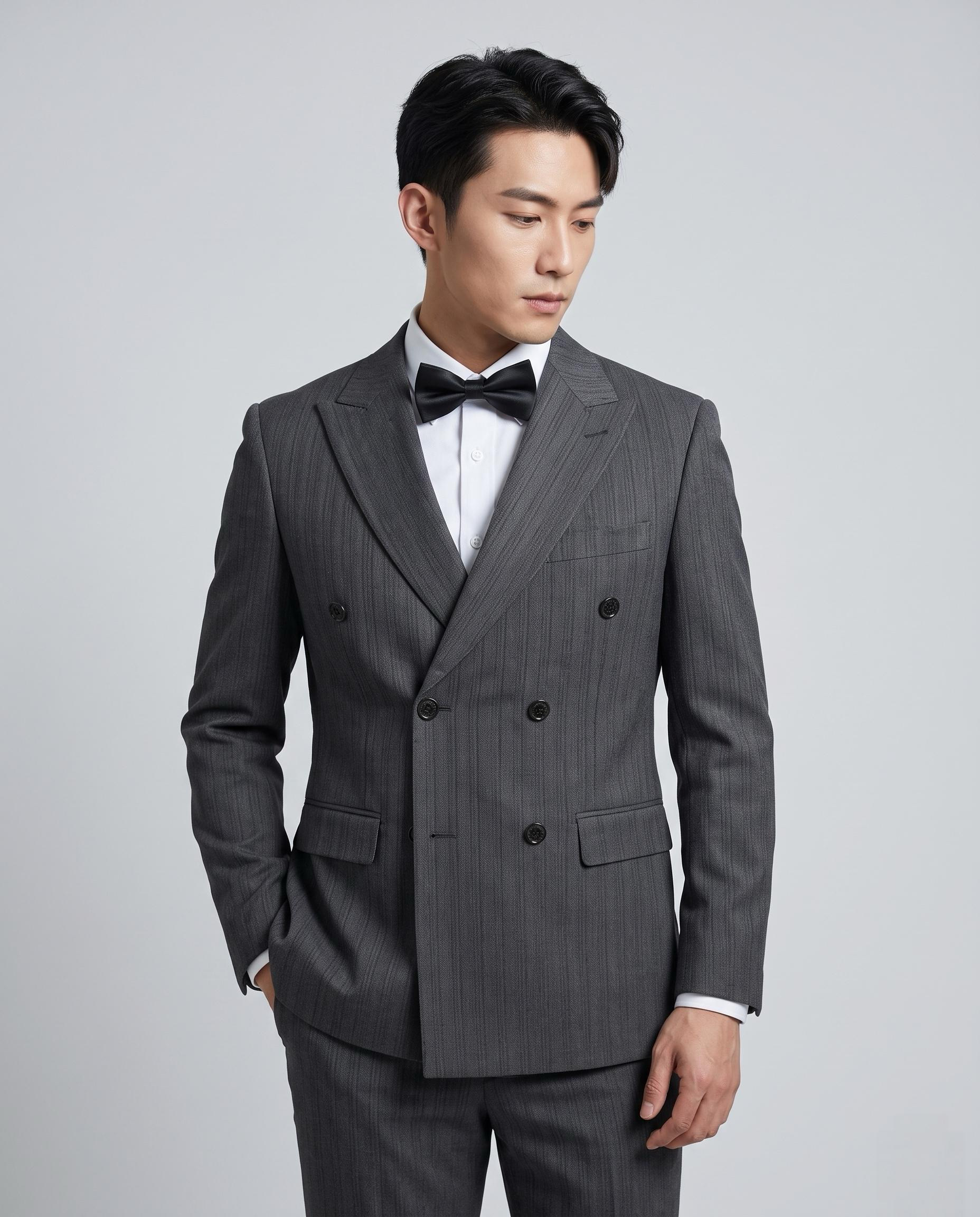
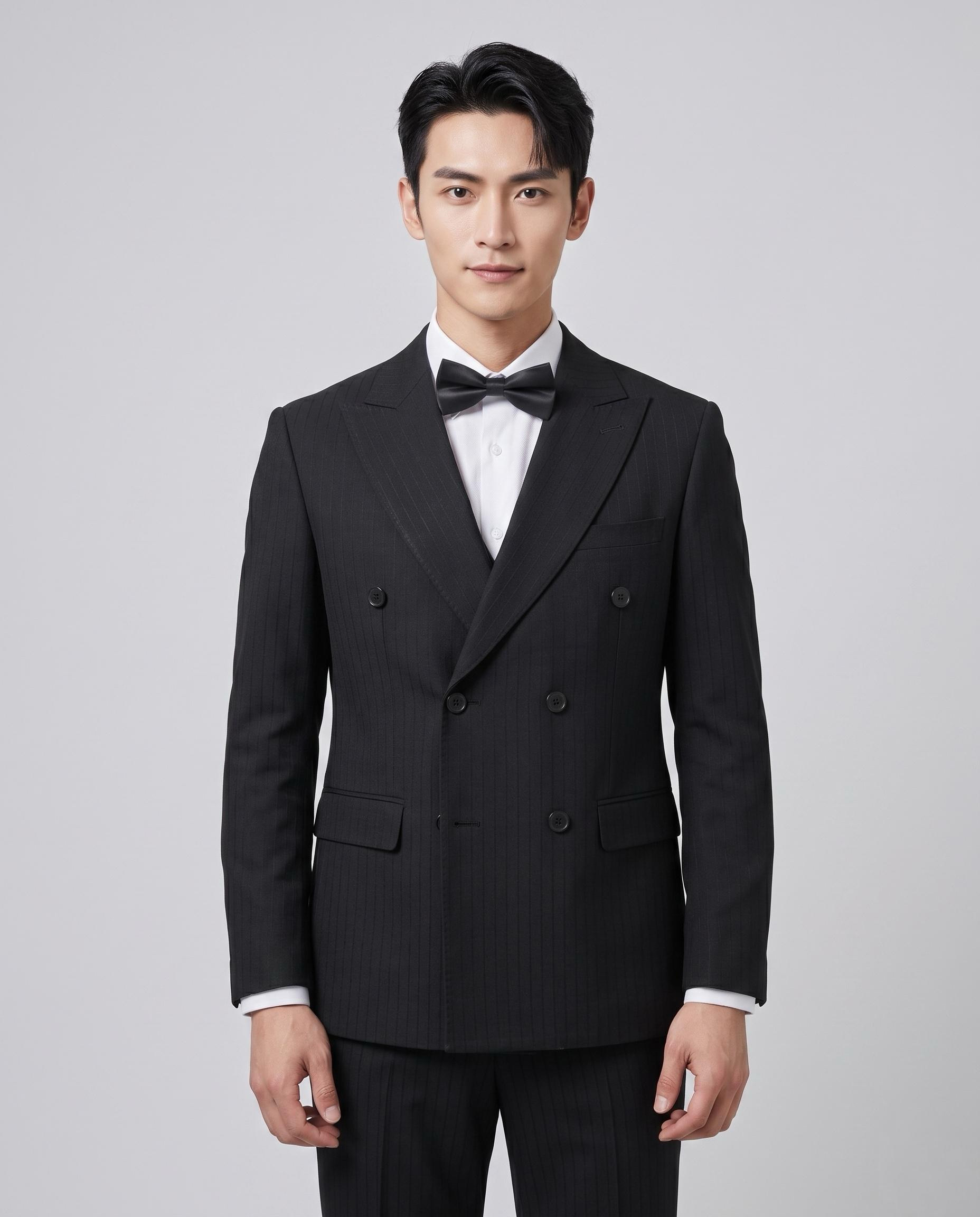
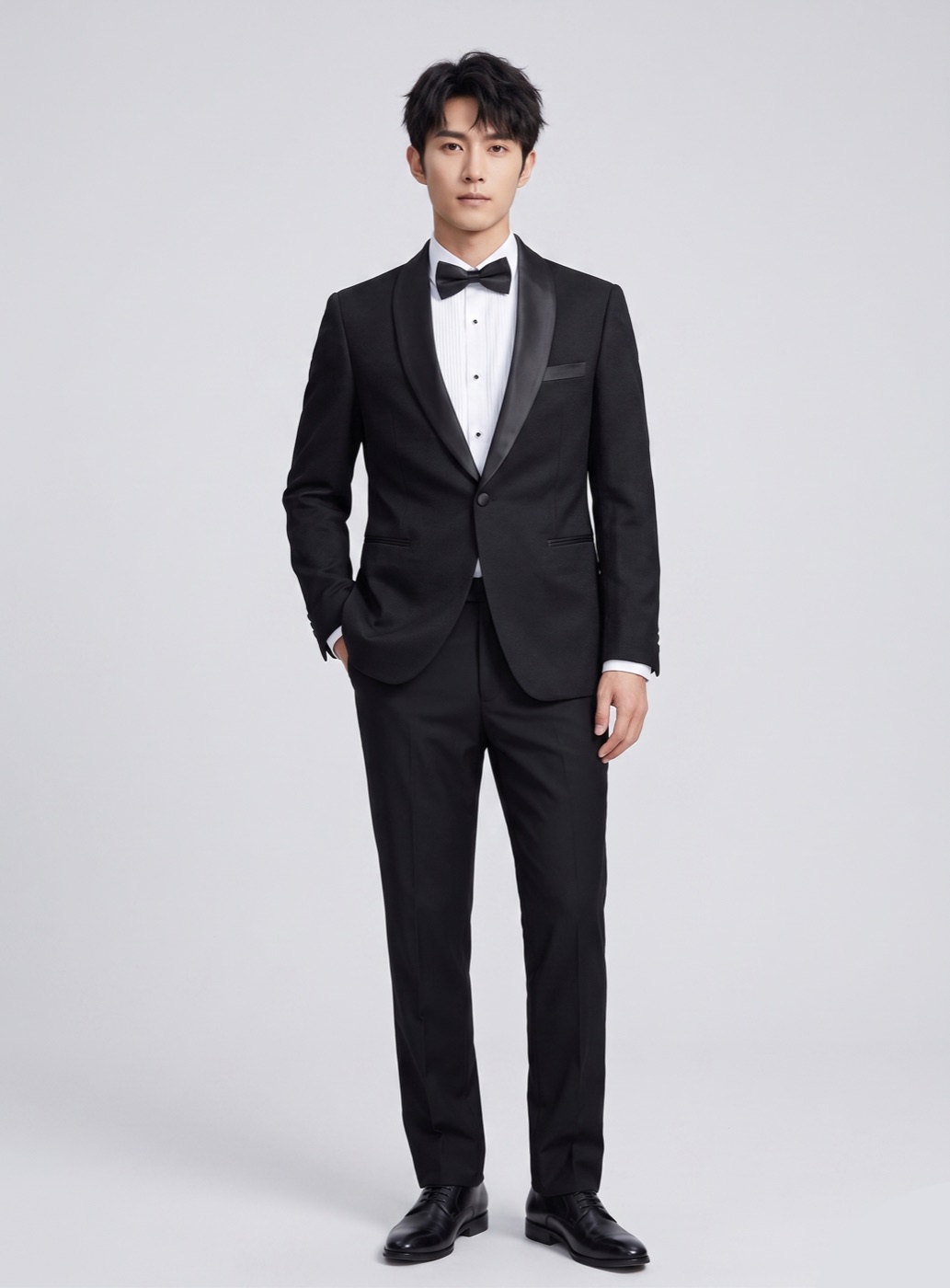
- ✓The Milan and Verona have peak lapels; the Monte Carlo has a shawl lapel.
The Three Lapel Types
| Lapel | Look | Formality | Typical use |
|---|---|---|---|
| Notch | A small notch where collar meets lapel | Everyday to formal | Business suits, most single-breasted jackets |
| Peak | Points upward | More formal | Double-breasted suits, dressy evening suits |
| Shawl | Smooth, rounded, no notch | Black tie | Tuxedos |
Choosing a Lapel
If you only own one suit, notch lapels are the most versatile. Peak lapels add drama and suit evening events. Shawl lapels belong on tuxedos for black-tie occasions.
Lapel Width
Modern slim-fit suits usually have a moderate lapel width that balances with the tie. Very wide or very narrow lapels date quickly, so aim for a proportion that suits your build.
In Our Collection
- -Milan and Verona: double-breasted with sharp peak lapels.
- -Monte Carlo: black tuxedo with a satin shawl lapel.
Notch vs Peak Lapel: What Is the Difference?
On a notch lapel, the lapel and collar meet at a small step, or notch, pointing sideways. On a peak lapel, the lapel edge points up towards the shoulder, forming a sharp upward point. The notch is relaxed and business-like. The peak is dressier and draws the eye up and out, which makes the shoulders look broader.
| Notch | Peak | Shawl | |
|---|---|---|---|
| Shape | Small step between collar and lapel | Lapel points upward | Smooth, continuous curve |
| Formality | Everyday to formal | Formal | Black tie |
| Visual effect | Neutral, balanced | Broader shoulders, sharper line | Soft, elegant |
| Usually seen on | Single-breasted suits and blazers | Double-breasted suits, evening suits | Tuxedos and dinner jackets |
| Best for | Work, interviews, daily wear | Weddings, dinners, standing out | Black-tie events, proms |
Are Peak Lapels in Style?
Yes. Peak lapels never fully left, and they are especially common on double-breasted jackets and evening suits. They read as confident and formal, so they suit weddings, dinners and award events better than an everyday office. If you want one suit that works almost everywhere, a notch lapel is the safer first purchase. If you already own a navy or charcoal notch suit, a peak-lapel suit is a good second.
Which Lapel Is Best for an Interview?
A notch lapel on a navy or charcoal single-breasted suit is the standard interview choice. It looks professional without drawing attention to the jacket. Peak lapels are not wrong, but they can look overdressed for a standard office interview. Keep the lapel width moderate and make sure the lapel lies flat against your chest when buttoned.
Lapel Width and Your Build
- -Broad shoulders or a larger frame: a medium to slightly wider lapel keeps the proportions balanced.
- -Slim or shorter frames: a moderate to narrow lapel avoids swamping the chest.
- -Match the lapel width to your tie width, so the two look like they belong together.
Lapel Material and Finish
Most suit lapels are made from the same fabric as the jacket. Tuxedo lapels are faced in satin, which gives the contrast shine you see on black-tie jackets. Satin facing on a lapel is what separates a tuxedo from a black suit. Lapels on a standard suit stay matte so the jacket looks like one cloth.
A small detail: the buttonhole
Many jackets have a working or decorative buttonhole on the left lapel. It is traditionally where a flower or lapel pin sits. It does not change the lapel type, but it is part of why a lapel looks finished.
The Parts of a Lapel
Knowing the vocabulary makes it easier to compare jackets and to describe what you want. The lapel is the folded-back flap on the front of the jacket. The collar is the strip that wraps around your neck. Where the two are stitched together is called the gorge line, and the shape of the gorge decides whether the lapel is notch, peak or shawl.
- -Roll line: the fold where the lapel turns back. A good jacket rolls softly instead of lying flat or looking pressed.
- -Gorge: the seam where the collar meets the lapel. A higher gorge looks more formal and traditional; a lower gorge looks more modern.
- -Lapel width: measured across the widest point. Moderate widths are the easiest to wear and age best.
- -Buttonhole: usually on the left lapel, where a flower or lapel pin would sit.
Choosing a Lapel by Occasion
| Occasion | Best lapel | Why |
|---|---|---|
| Job interview or office | Notch | Professional and understated |
| Client meeting or presentation | Notch, or peak for a stronger look | Notch is safe; peak adds authority |
| Daytime wedding guest | Notch | Smart without overdressing |
| Evening wedding banquet | Peak | Dressier and suited to evening light |
| Groom or groomsmen | Peak or notch | Peak stands out in photos; notch is classic |
| Black-tie dinner, gala or prom | Shawl | The traditional tuxedo lapel |
| Graduation | Notch | Clean and photographs well under a gown |
Lapel and Single vs Double-Breasted Jackets
Lapel type and jacket style are linked. Single-breasted jackets, with one column of buttons, are most often paired with notch lapels, and sometimes peak lapels for a dressier look. Double-breasted jackets, with two columns of buttons and an overlapping front, are almost always paired with peak lapels, because the point balances the wider front. That is why our Milan and Verona double-breasted suits both have peak lapels.
If you want the sharpest, most formal silhouette, a double-breasted jacket with a peak lapel is the strongest statement. If you want the most versatile jacket you can wear every week, a single-breasted notch lapel is the better choice.
Matching Your Lapel With Your Shirt Collar and Tie
The lapel, collar and tie work as a unit. A wide lapel looks balanced with a wider tie and a spread collar, while a slimmer lapel pairs naturally with a slimmer tie. If the proportions disagree, the outfit looks off even when each piece is fine on its own.
| Lapel | Tie | Shirt collar | Result |
|---|---|---|---|
| Moderate notch | Medium-width tie, four-in-hand knot | Standard point or semi-spread | Balanced, work-ready |
| Narrow notch | Slim tie | Standard or slim collar | Modern, sleek |
| Peak | Medium tie with a slightly fuller knot | Semi-spread collar | Confident and dressy |
| Shawl | Black bow tie | Formal tuxedo shirt | Black-tie standard |
You can find tie-knot instructions in our guide on how to tie a tie and a bow tie, and our match-your-shirt, tie and suit guide covers colour pairing.
Lapel Mistakes to Avoid
- -Choosing a very wide or very narrow lapel because of a passing trend. Both date quickly.
- -Wearing a shawl lapel with a standard business suit, since it signals evening wear.
- -Pairing a peak lapel with a casual outfit that cannot carry it.
- -Ignoring how the lapel lies. A lapel that bubbles or lifts away from the chest usually means a poor fit through the shoulders or chest.
- -Buttoning a double-breasted jacket incorrectly. Keep it fastened when standing and undo it when you sit.
How to Check a Lapel When You Try a Suit On
- 1.Button the jacket and look in the mirror. The lapel should lie flat against your chest without gaping.
- 2.Look from the side. The roll line should curve softly from the collar down towards the button.
- 3.Check the collar. It should sit against the back of your neck without a gap.
- 4.Raise your arms and lower them. The lapel should return to position instead of staying lifted.
- 5.Step back and judge the proportion. The lapel width should look balanced against your shoulders and tie.
Looking After Your Lapels
Lapels hold the shape of the jacket, so look after them. Hang the jacket on a wide, curved hanger so the shoulders and lapels keep their roll. Brush away dust and lint with a soft clothes brush. If a lapel goes shiny or creased, steam it from a distance, since pressing directly can flatten the roll. Satin tuxedo lapels need particular care: avoid rubbing them, and keep the jacket in a breathable garment bag.
Lapels in the Suit Archive Range
- -Peak lapel: the Milan (charcoal) and Verona (black) double-breasted suits.
- -Shawl lapel: the Monte Carlo, a black tuxedo with a satin shawl lapel.
The easiest way to decide is to try one of each in the studio. The lapel changes the look of the whole jacket more than most people expect.
See Lapels in Person
Lapel details are easier to judge on the real suit. Suit Archive's studio is at 12 Lorong Bakar Batu #06-07, Singapore 348745, open Monday to Friday, 11am to 11pm, by appointment. Every complete 3-piece suit is $178. Book online or WhatsApp us at (65) 8979 1210.
Try it on before you buy. Book a Suit Archive fitting and walk out in a suit that fits.
Frequently asked questions
What is the most common suit lapel?
The notch lapel. It is versatile and suits most settings.
What are peak lapels?
Lapels that point upward toward the shoulder, giving a sharper and more formal look.
Which Suit Archive suit has a shawl lapel?
The Monte Carlo, a black tuxedo with a satin shawl lapel.
What is the difference between a notch and a peak lapel?
A notch lapel has a small step where the collar meets the lapel. A peak lapel points upward towards the shoulder, which looks sharper and more formal.
Are peak lapels in style?
Yes. They are common on double-breasted jackets and evening suits, and they suit weddings and formal dinners.
What lapel should I choose for an interview suit?
A notch lapel on a navy or charcoal single-breasted suit is the standard choice. It looks professional without drawing attention.
What are shawl lapels used for?
Shawl lapels are smooth and rounded and are used on tuxedos for black-tie events.